Journal

Notes from the garden, the studio and the field.

Latest entries

Notes, fresh
from the ground.

From the field

Plants in
the cracks.

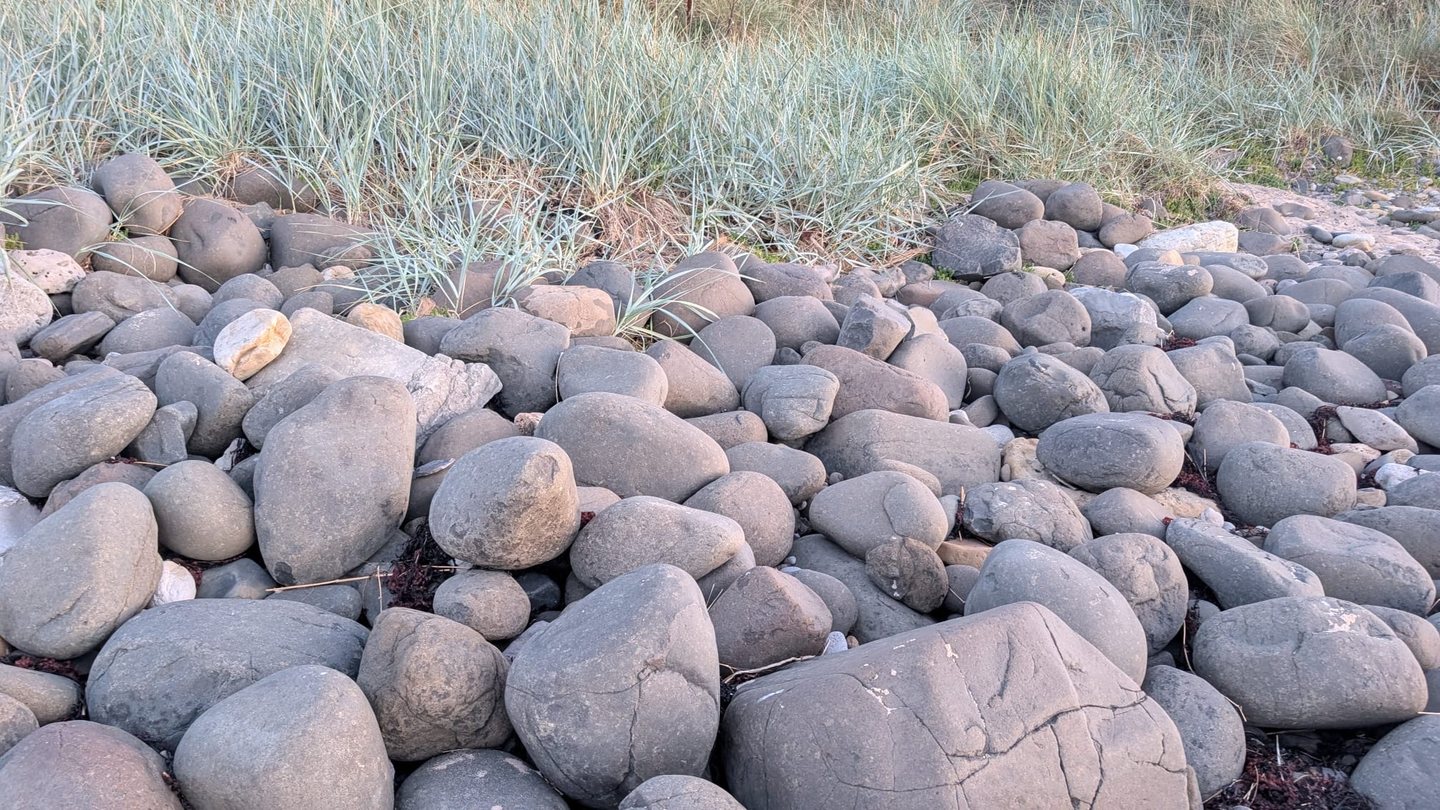
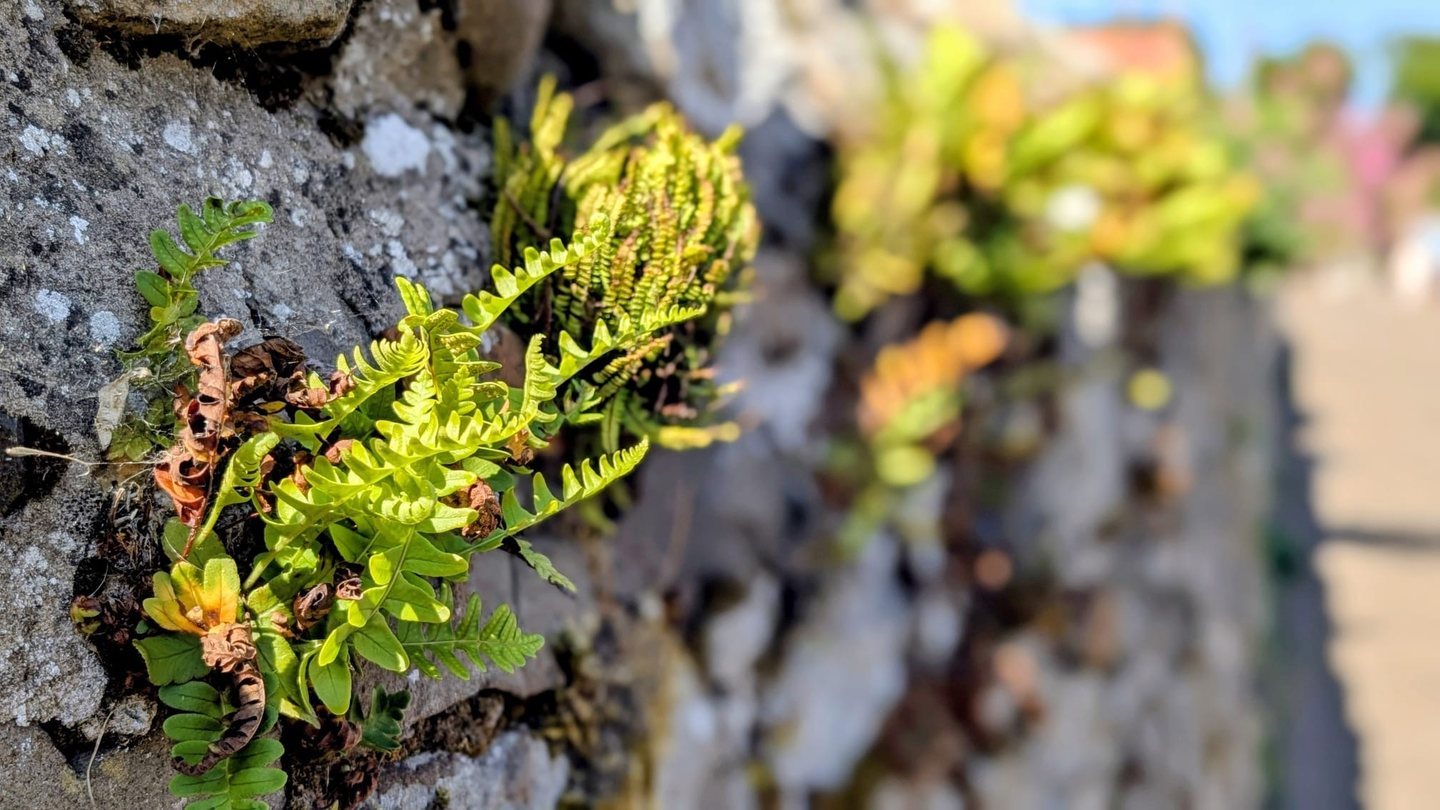
I love seeing plants growing where, by any sensible gardening logic, there is barely enough of anything to grow in. Sea thrift wedged into an old stone wall, grasses pushing out between huge beach boulders, and tiny ferns rooted into little more than a crack in the masonry.

There’s almost no soil, fierce exposure, salt, wind and very little available water — and yet they’re thriving. It’s such a good reminder that plants don’t necessarily need the rich, improved conditions we’re forever trying to give them. They need the right conditions for them.

I love the way these plants seem to belong completely to the place rather than having been put there. Something to remember in design: sometimes the most convincing planting comes from working with constraint, not trying to remove it.
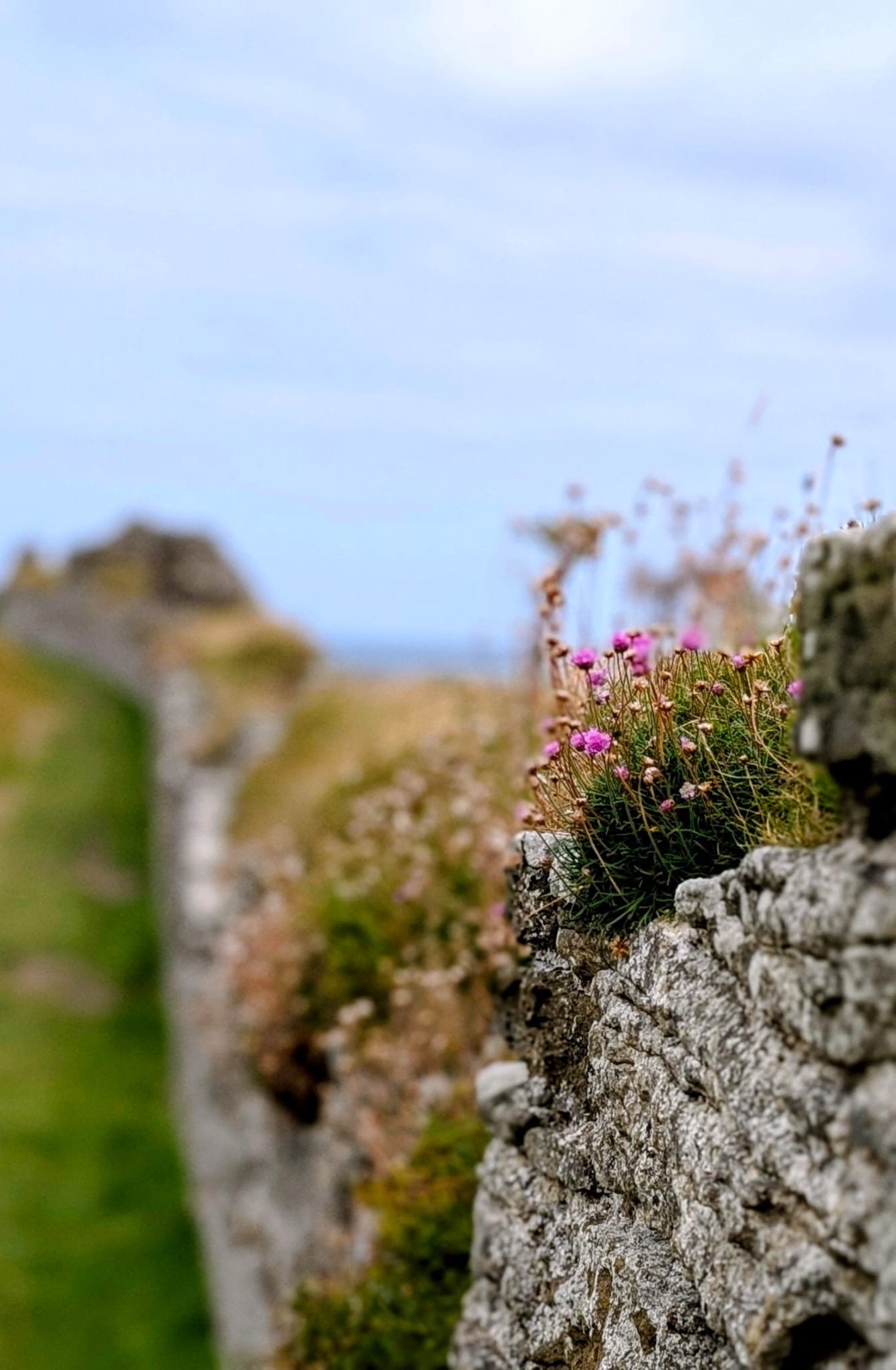
Sea thrift flowering from a crack in an old stone wall
Small ferns rooted into the face of a stone wall
Grasses pushing out between large beach boulders
From the field

Holy Island
sand dunes.

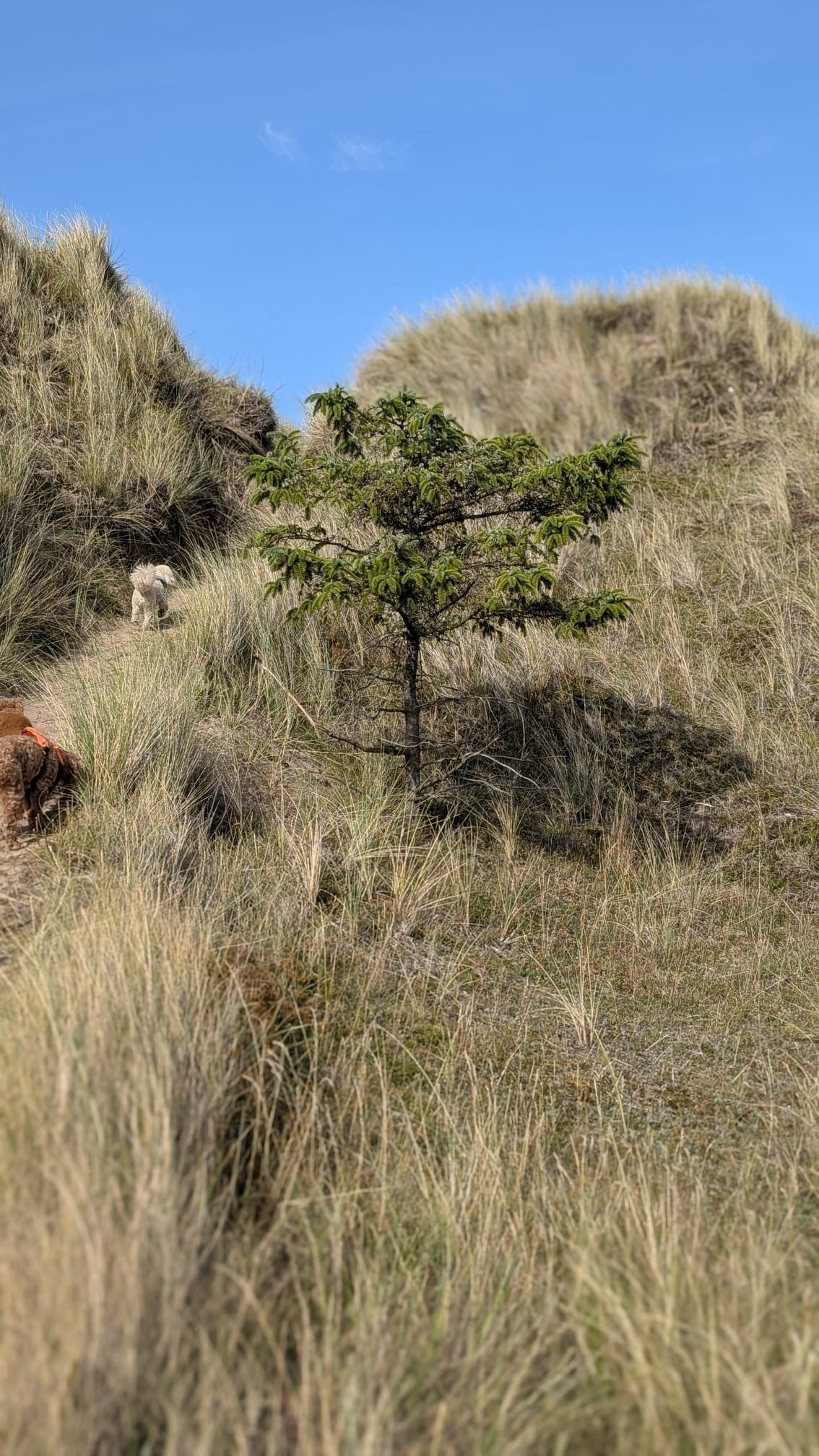
One, single, lone pine tree managed to find just enough of what it needed to grow.

A single small pine tree growing among marram grass in the Holy Island sand dunes
Seasonal notes

After the hottest
of summers.

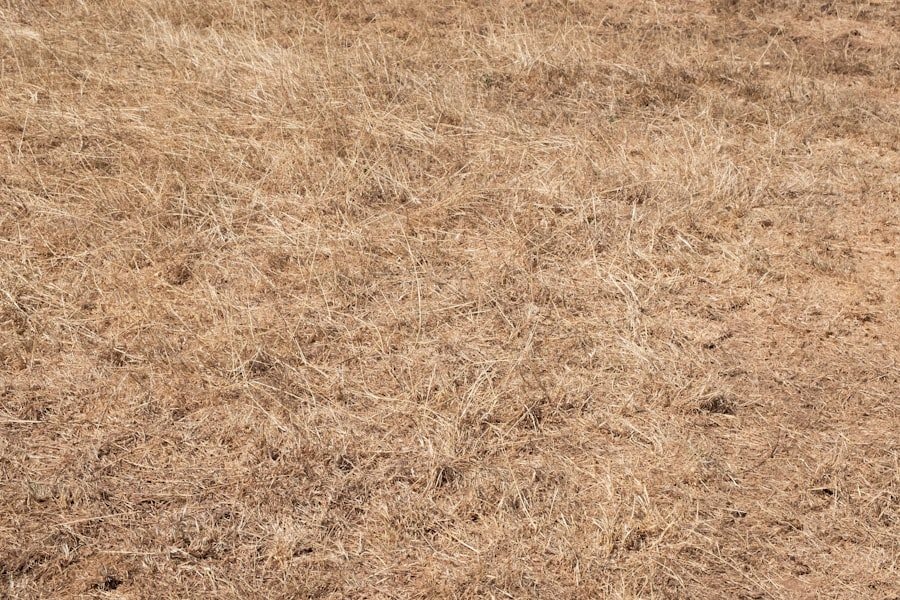
This summer asked a lot of our gardens. Weeks on end without rain, a hosepipe ban, and lawns that crunched underfoot by July. If your borders are looking brown and defeated, you are in good company.

The most important advice I can give is this: don’t rush for the spade. A lot of what looks dead right now is simply protecting itself. Established shrubs and perennials shut up shop in a drought, dropping leaves and retreating to their roots to sit it out. Before you condemn anything, scratch a stem with a thumbnail. Green under the bark means life, and many plants written off in September are back by May.

Lawns almost always recover. A brown lawn is a dormant lawn, not a dead one, and the first proper week of rain will usually bring it round without any help from you.

When the rain does return, let it do its work before you replant. Autumn is the best planting season of the year in any case: the soil is still warm, the rain does the watering, and roots get a full winter to settle in before they are asked to cope with another summer. Replace your losses then, once you can see what has genuinely gone.

And when you do replant, let this summer inform the choices. The plants that shrugged it off were the ones suited to their spot in the first place. Choose for your conditions rather than against them, mulch generously while the ground is damp, and water new planting deeply and rarely rather than little and often. A garden picked for the place it grows in will meet the next dry summer on far better terms.

A lawn burnt brown and dormant after a long drought
Plant profiles

Plant profile:
knapweed.

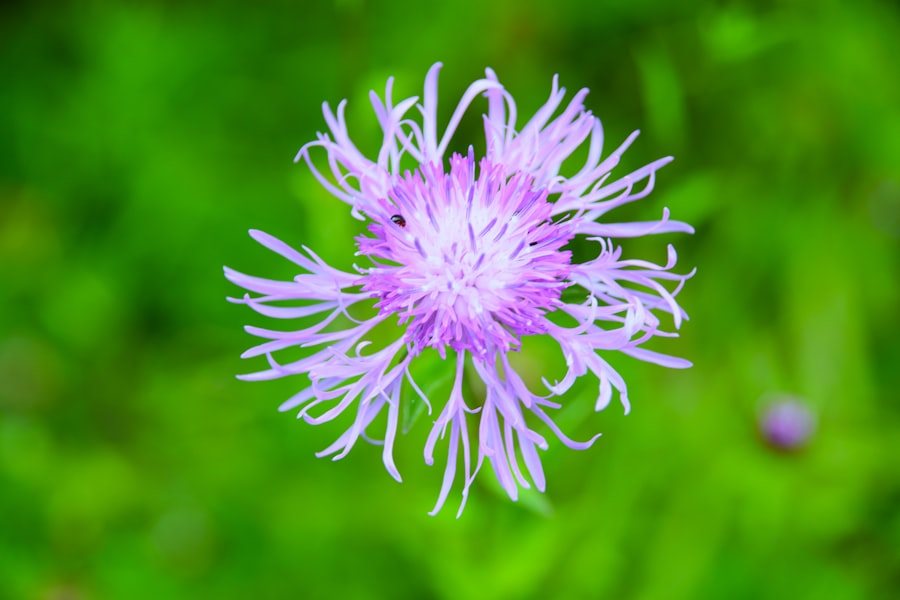
If I could put one meadow plant in every garden, knapweed would be on the shortlist. A tough, thistle-like native without the prickles, with jewel-purple flowers from June into September.

It earns its place twice over. It is one of the best nectar plants we have, worked by bees, butterflies and hoverflies all summer long, and if you leave the seedheads standing the finches will pick them over right through autumn.

It also thrives on poverty. Thin, dry, hungry soil that makes most border plants sulk suits it perfectly, which is why it shrugged off this summer while so much else struggled. Give it sun, drainage and not much else.

Grow it with fine grasses, field scabious and wild carrot for a proper meadow feel, or thread it through a naturalistic border and let it seed itself gently where it is happy. Cut back in late winter, and leave everything standing until then.

A knapweed flower, its fringed purple florets fully open
From the field

A garden escapee,
thriving on a cliff edge.

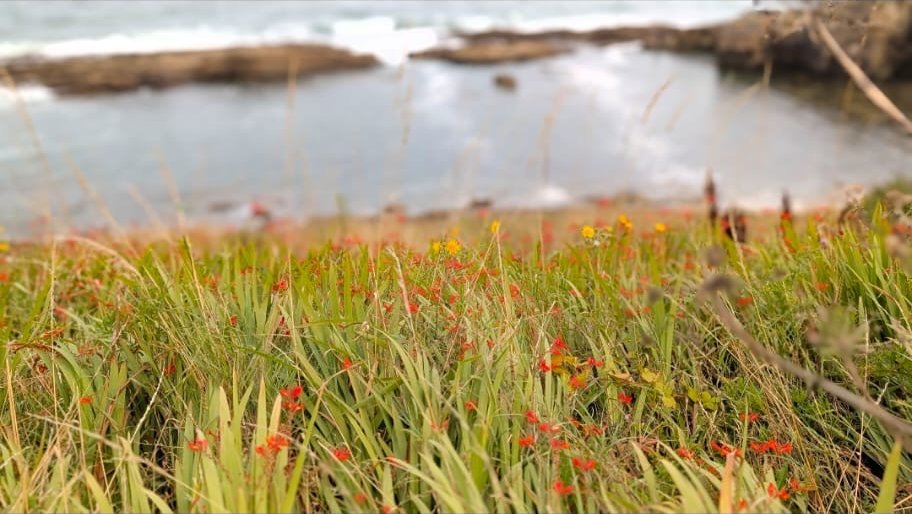
Spotted on a clifftop walk: montbretia in full flame, growing in salt wind and next to no soil, with the sea for a backdrop.

Montbretia is a garden escapee. It jumped a fence and somehow it found its way here and made itself thoroughly at home. So much at home, in fact, that it is now officially listed as invasive in the wild. Nobody waters this clifftop colony, nobody feeds it, and nobody staked it, yet there it is, flowering harder than most borders manage in a good year.

That is the lesson I keep coming back to. When a plant is well matched to its conditions it largely looks after itself, and that toughness is exactly what I look for when choosing plants for a garden.

The skill is in picking the ones that stay good guests, rather than the ones that take over.

Montbretia flowering through coastal grass on a cliff edge, with a rocky cove behind

Training and study

Where the
thinking
comes from.

Formal training, continuing study, and a lot of time spent looking at how planting actually behaves once it is in the ground.

Trained

Capel Manor College

Garden Design. One of the country’s established horticultural colleges, and where the foundations were laid.

Continuing

Plants and Planting Design

Ongoing study, deepening my knowledge of plants themselves rather than only the drawing of a scheme.

Fieldwork

St Andrews Botanic Garden

Exploring how plants respond to climate, landscape and land management.

Fieldwork

The Serge Hill Project

Including the Untangling Plants and The Tangled Bank projects, which increasingly shape the way I approach planting design.

Alongside all of it, years of hands-on garden maintenance. There is no substitute for having weeded, pruned and dug the kind of planting you are asking someone else to look after.

What you’ll find here

Three strands.

Written as the year turns rather than to a schedule, so they arrive when there is genuinely something to say.

Seasonal notes

What the garden is doing

What’s doing well, what’s going over, and what’s worth planting now. The jobs actually worth doing this month, and the ones that can wait.

Plant profiles

The ones I keep coming back to

Why a plant earns its place, what it likes to grow alongside, how it behaves after three years rather than three months, and what it feeds.

From the field

Study, fieldwork and site

Notes from the fieldwork and the reading, and from time spent looking at how planting behaves in the ground rather than on a plan.

In the meantime

Work in progress, plants worth a second look and whatever is flowering that week tend to end up on Instagram first.

Follow on Instagram

Let’s create
something
beautiful.

Whether you’re starting with a blank canvas or rethinking what’s already there, I’d love to hear your ideas.

Get in touch